
From monoliths to composability
Legacy solutions, like Sitecore and Adobe Experience Manager (AEM), promised a one-stop-shop experience, simplifying the intricate web of digital content management. Yet, with the rapid technological advancements and increasing business demands, these once revered monolithic systems are now showing their age — and limitations.
In this e-book, we'll uncover the shortcomings of the monolithic approach and explore the rise of composable DXPs championed by industry leaders like Contentstack.
Legacy systems are pre-defined, rigid and typically cumbersome. In contrast, composable DXPs are built on the principle of modularity. This means enterprises can pick, choose and stitch together different services to craft a solution tailored to their unique needs rather than conforming to the limitations of an all-in-one system.
The advantages of a composable DXP include:
- Flexibility: Organizations can integrate or replace components as required without overhauling the entire system.
- Rapid implementation: Without the constraints of a monolithic structure, businesses can deploy features and updates in real time.
- Scalability: As businesses grow, composability ensures their DXP can grow with them, easily integrating new modules or services.
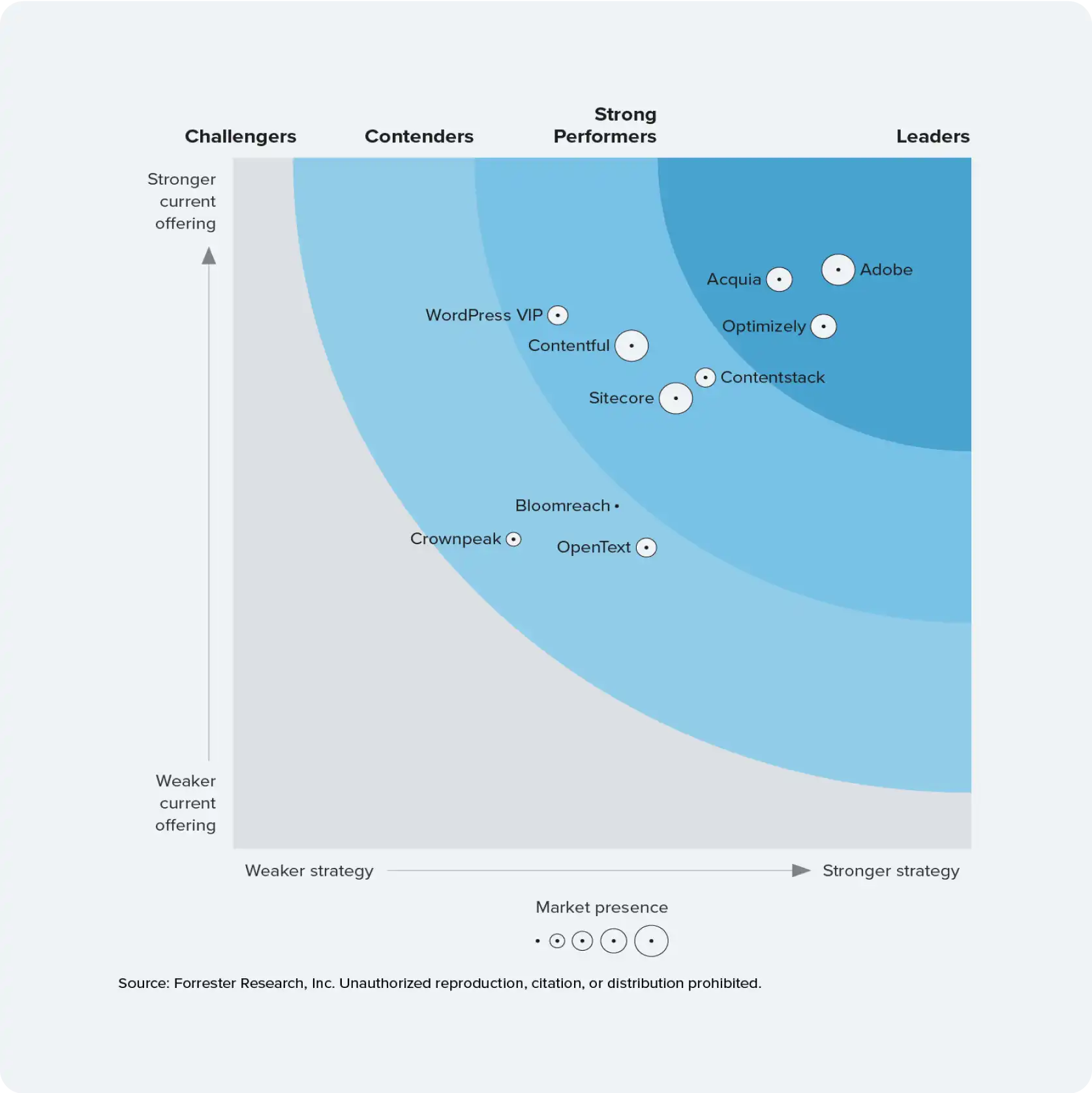
As we explore the nuances of today’s DXPs, we find that these legacy platforms present a host of challenges enterprises can no longer afford to ignore. In this e-book, we'll detail the shortcomings of the monolithic approach and explore the rising paradigm of composable DXPs.
The composable DXP advantage
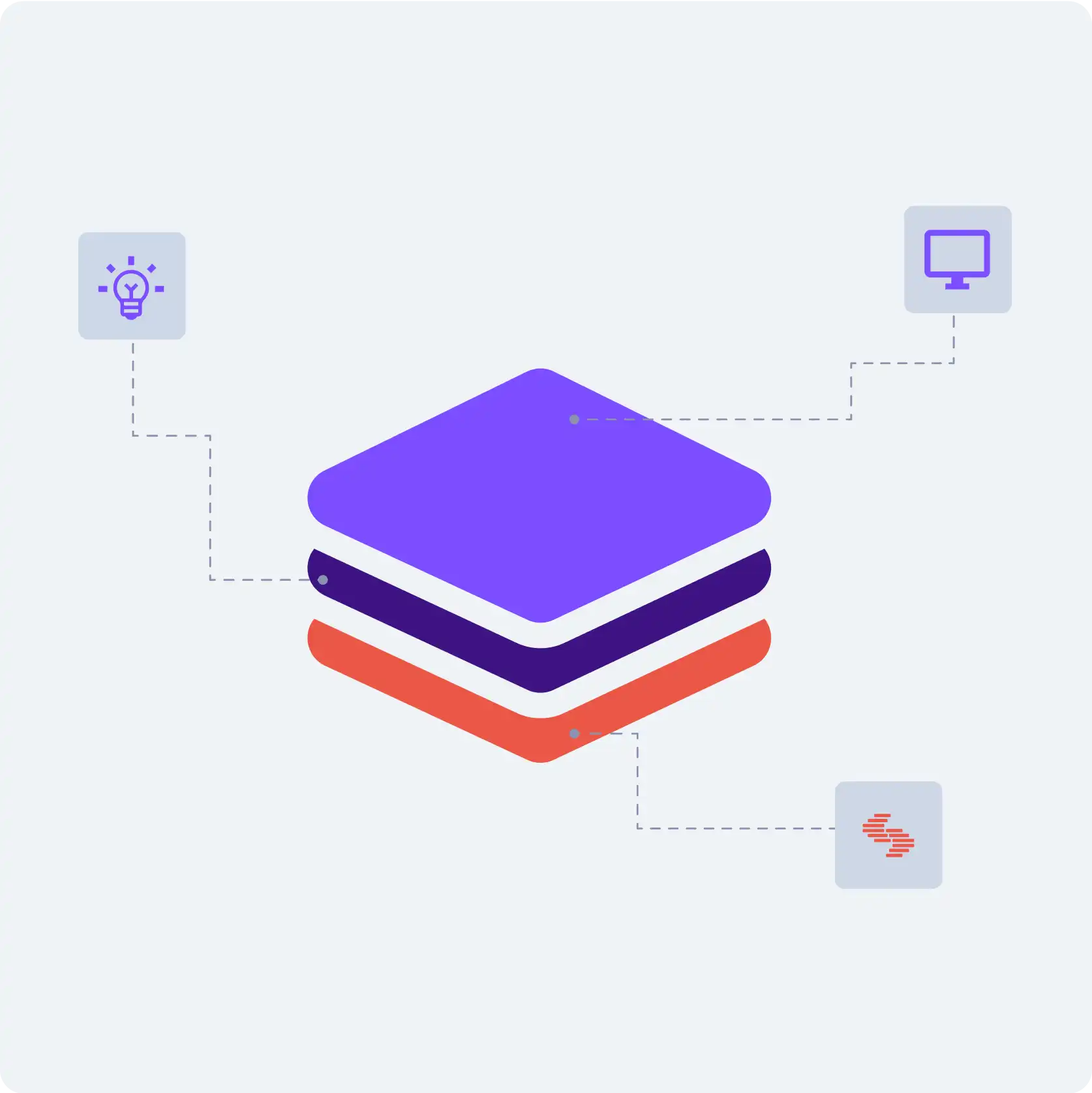
Contentstack’s composable DXP promises a transformative experience. The most significant advances of switching to Contentstack DXP include:
- 100% open MACH architecture: By embracing an open Microservices-based, API-first, Cloud-native and Headless (MACH) architecture, Contentstack ensures enterprises benefit from flexibility, scalability and future-readiness.
- Singular headless CMS platform: In shedding the constraints of traditional CMS, Contentstack offers a headless solution. For enterprises, that means unparalleled agility. Users can create content once and publish it across multiple channels. This ensures consistency, reduces redundancy and accelerates the time to market.
- Integrated front-end hosting: With Contentstack, you aren’t just procuring a back-end system. The platform’s holistic approach integrates front-end hosting, ensuring businesses can manage their digital assets end-to-end within a singular ecosystem.